What plasma is and why anyone would remove it
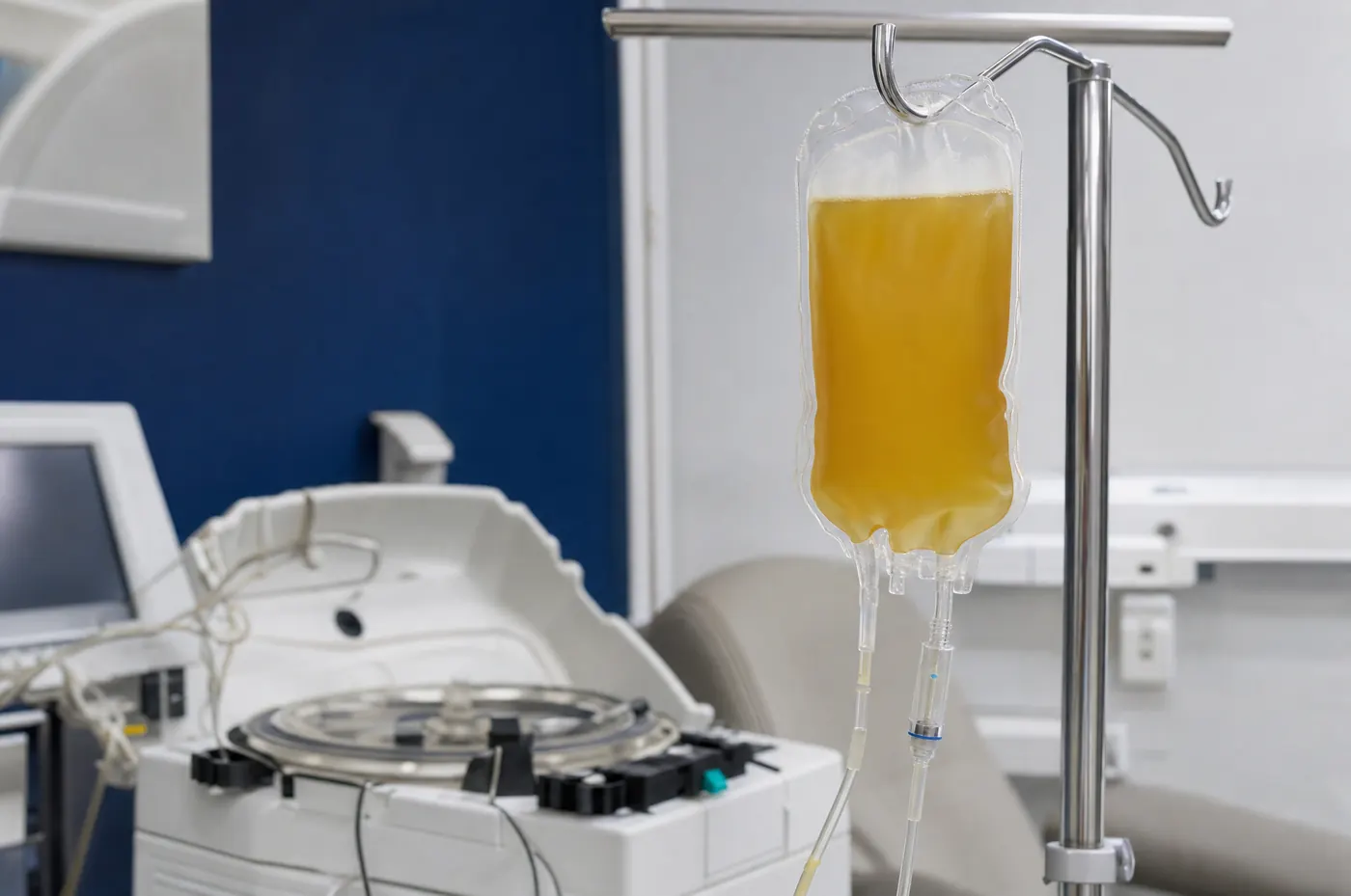
Plasma is the liquid part of blood. It makes up a little over half of your blood volume and carries proteins, hormones, nutrients, antibodies and waste products between tissues. Red cells, white cells and platelets float in it.
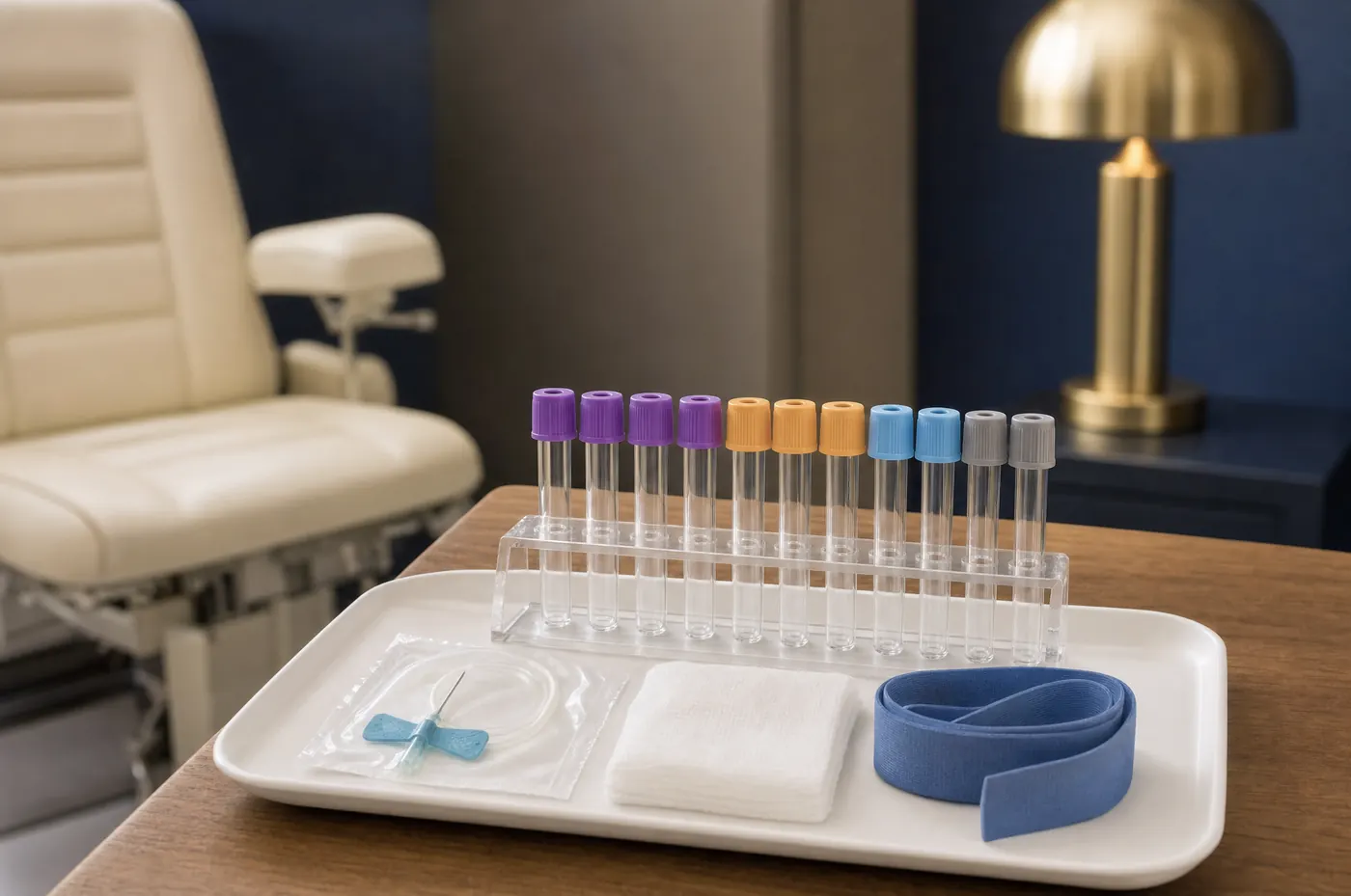
Plasmapheresis is the general term for separating plasma from the blood cells and removing some or all of it. If you have ever donated plasma, you have had a form of plasmapheresis: a machine collected your plasma and returned your cells, and your body replaced the lost volume over the following days.
Therapeutic plasma exchange in hospital medicine
Therapeutic plasma exchange, or TPE, removes a large volume of a patient's plasma in one session and replaces it with a solution such as albumin, sometimes with donor plasma. Hospitals have used it for decades when something circulating in the plasma, often an antibody, is driving a serious illness.
The American Society for Apheresis publishes evidence-based guidelines that grade each use by the strength of the research. Well-established uses include certain autoimmune nerve and blood disorders treated by hospital teams. Those are specialist indications, separate from the wellness setting.
What aging research has found
Interest in plasma and aging grew out of animal studies in which young and old mice shared circulation. A 2020 study went further: replacing half the plasma of old mice with saline and albumin, with no young blood involved, produced changes in muscle, liver and brain tissue that the authors described as rejuvenation. Their interpretation was that diluting factors in old plasma mattered more than adding anything young.
Human studies are early and small. A 2022 clinical study reported shifts in epigenetic and protein markers of biological age after rounds of plasma exchange in older adults. A 2025 randomized, placebo-controlled study of healthy adults over 50 reported improvements across several epigenetic aging clocks. Both are useful signals. Neither shows that plasma exchange helps people live longer or prevents disease, and aging markers are not the same as health outcomes.
In people with Alzheimer's disease, a randomized trial called AMBAR tested plasma exchange with albumin replacement and reported mixed results. Plasma exchange is not an approved treatment for Alzheimer's.
One point causes confusion. Removing your own plasma is different from receiving plasma from young donors. In 2019 the FDA warned consumers that infusions of young donor plasma sold for aging and other conditions have no proven clinical benefit and carry real risks.
Low-volume plasmapheresis
Some longevity clinics offer low-volume plasmapheresis, which removes a smaller amount of plasma per session than hospital TPE. The body rebuilds plasma volume and most proteins on its own afterward, much as it does after a donation. Protocols vary from clinic to clinic, so it is worth asking exactly how much plasma is removed, what replaces it and how you will be monitored.
Risks and who should be cautious
Plasma removal is generally well tolerated in experienced hands, and it is still a medical procedure. Possible effects include:
- Lightheadedness or a drop in blood pressure as fluid shifts
- Tingling around the mouth or in the fingers from the anticoagulant used in the machine, which briefly lowers calcium
- Bruising or soreness at the IV sites
- Fatigue for the rest of the day
- A temporary fall in antibody levels after larger exchanges
People with heart conditions, low blood pressure, active infection, clotting problems or poor vein access need a careful medical review first, and some are not candidates.
Questions to ask before you book
Because protocols differ so much, the answers to a few simple questions tell you a lot about a clinic:
- How much plasma is removed per session, and what replaces it
- Which labs are checked before and after, and how often
- Who operates the machine and what training they have
- What the plan is if blood pressure drops or calcium-related tingling starts
- What evidence the clinic is relying on for the use you are considering
Plasmapheresis compared with EBOO
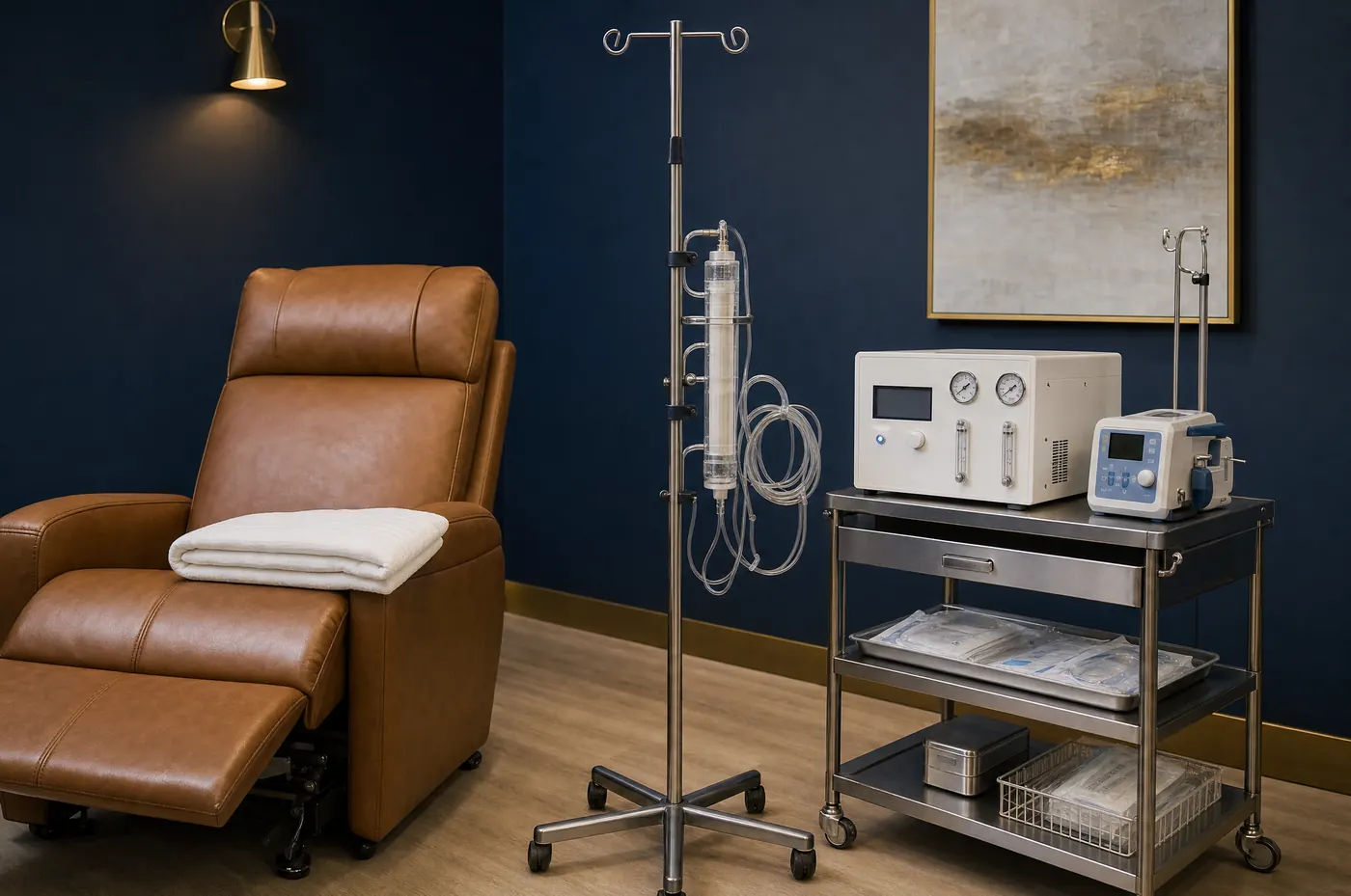
The two are often mentioned together and work differently. Plasmapheresis removes plasma. EBOO returns all of your blood after exposing it to oxygen and ozone in a filter circuit. Both need IV access, a trained team and a medical screen.
At LYV, blood-based therapies are planned only after a provider consult and a review of your labs. If plasmapheresis is on your list of questions, bring it to that visit. Your provider will explain whether it fits your plan, how it compares with EBOO at LYV and what the evidence does and does not support.
This article is for education. Plasmapheresis for longevity or general wellness is not FDA approved to diagnose, treat, cure or prevent any disease.
References
- Connelly-Smith L, et al. Guidelines on the use of therapeutic apheresis in clinical practice, ninth special issue. J Clin Apher. 2023.
- Mehdipour M, et al. Rejuvenation of three germ layers tissues by exchanging old blood plasma with saline-albumin. Aging (Albany NY). 2020.
- Kim D, et al. Old plasma dilution reduces human biological age: a clinical study. GeroScience. 2022.
- Fuentealba M, et al. Multi-omics analysis reveals biomarkers that contribute to biological age rejuvenation in response to single-blinded randomized placebo-controlled therapeutic plasma exchange. Aging Cell. 2025.
- Boada M, et al. A randomized, controlled clinical trial of plasma exchange with albumin replacement for Alzheimer's disease: primary results of the AMBAR Study. Alzheimers Dement. 2020.
- U.S. Food and Drug Administration. Important information about young donor plasma infusions for profit. 2019.