How hyperbaric oxygen works
Hyperbaric oxygen therapy, or HBOT, means breathing concentrated oxygen inside a chamber pressurized above normal air pressure. At higher pressure, more oxygen dissolves directly into the liquid part of your blood, so tissues receive more of it than breathing at sea level would deliver. MedlinePlus describes the lungs taking in up to three times more oxygen than they would at normal pressure.
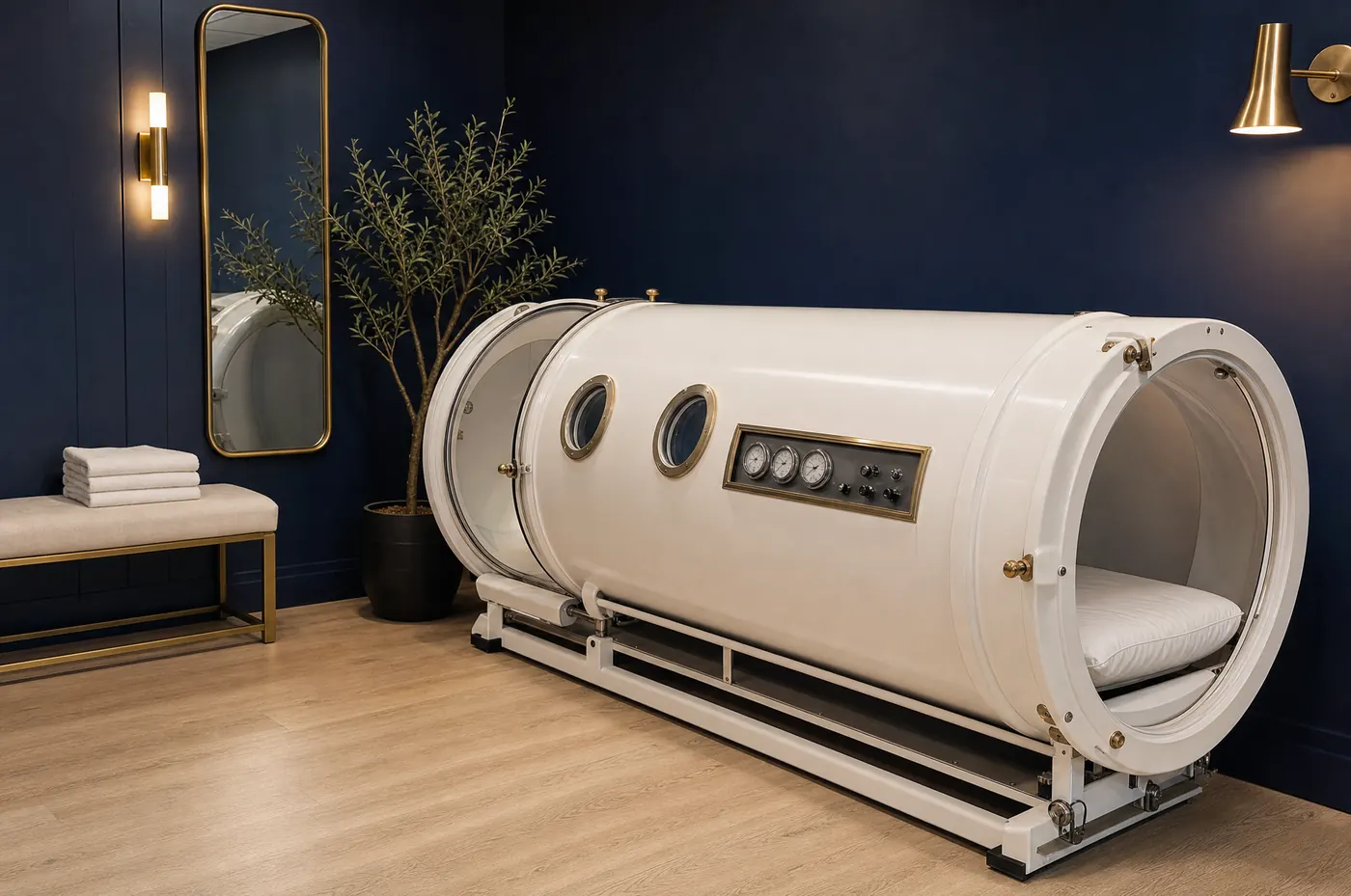
Chambers range from hospital units that run at high pressures with pure oxygen to lower-pressure chambers used in wellness settings. Pressure, oxygen concentration and session length all vary by chamber, and your LYV team will walk you through how ours works before your first session.
What the FDA has cleared it for
The FDA has cleared hyperbaric chambers for a defined list of medical problems, including decompression sickness, carbon monoxide poisoning, air or gas bubbles in the blood vessels, certain serious infections and non-healing diabetic foot ulcers. Those are hospital indications, usually treated by specialist teams.
Wellness use is different. At LYV, hyperbaric sessions are part of a recovery and longevity routine, and they are not offered as treatment for any disease.
What wellness research shows
A 2021 review in Medicina summarized how HBOT affects oxygen delivery, blood vessel growth and inflammation, along with the conditions where evidence is strongest. Research in healthy aging is newer. In a 2020 study, 35 adults aged 64 and older completed 60 daily sessions, and researchers reported longer telomeres and fewer senescent immune cells in blood. The study had no control group and used a hospital-grade protocol, so it is a starting point for research rather than a result to expect.
Safety and who should wait
Serious problems are rare when chambers are used correctly. The most common issue is ear or sinus pressure, much like descending in an airplane. Other possible effects include temporary vision changes and, rarely, lung injury. Because oxygen-rich air raises fire risk, the FDA reminds providers to follow strict rules about what goes into a chamber, so we ask you to leave electronics and certain fabrics outside.
Postpone a session if you have a cold or blocked sinuses. Tell us about lung conditions, recent ear surgery, claustrophobia, pregnancy or any implanted devices before you book.
Preparing for your first session
- Avoid perfume, lotions and hair products with alcohol or petroleum on the day
- Leave your phone, watch and other electronics in the locker
- Eat lightly and use the restroom before you go in
- If you are prone to ear pressure, practice swallowing or gently yawning to equalize
- Tell the team if you feel any ear or sinus pain so they can slow the pressure change
Common questions
Will my ears pop? Usually, yes, as pressure builds. It feels much like a plane descending and settles once the chamber reaches pressure.
Does it get warm? The air can warm slightly as the chamber pressurizes and cools again as it decompresses. Light, comfortable clothing helps.
What if I feel closed in? Tell us before your first session. Our team can talk you through it, stay close by and stop the session if you need to come out.
Soft and hard chambers
Hyperbaric chambers come in two broad types. Soft-sided chambers are made of flexible, reinforced fabric, typically run at about 1.3 atmospheres and are pressurized with room air. The FDA has cleared this type of chamber for acute mountain sickness. Hard-sided chambers are built from metal or acrylic and can reach higher pressures, which is what hospital protocols for conditions such as decompression sickness and certain non-healing wounds use.
The type of chamber and the pressure used both shape what a session can be compared with in the research. Many published wellness studies used hard chambers at higher pressures with medical oxygen, so results from those studies may not apply to lower-pressure sessions. The Undersea and Hyperbaric Medical Society defines clinical hyperbaric oxygen as breathing near 100% oxygen at 1.4 atmospheres or more. Ask any provider which type they use, the pressure for your session and whether you will breathe room air or concentrated oxygen.
How hyperbaric fits a routine
Because the research on wellness use is still developing, we treat hyperbaric oxygen as one part of a broader routine that includes sleep, training, nutrition and regular testing. Members often pair it with other devices on the same visit. If you have a specific health goal, start with a provider consult so your plan is built around your history rather than a device.
What a session at LYV looks like
You lie or sit in the chamber, fully clothed, while it pressurizes slowly. Swallowing or yawning helps your ears adjust. Most people rest, listen to something or close their eyes. When the session ends, pressure comes down gradually and you can go straight back to your day.
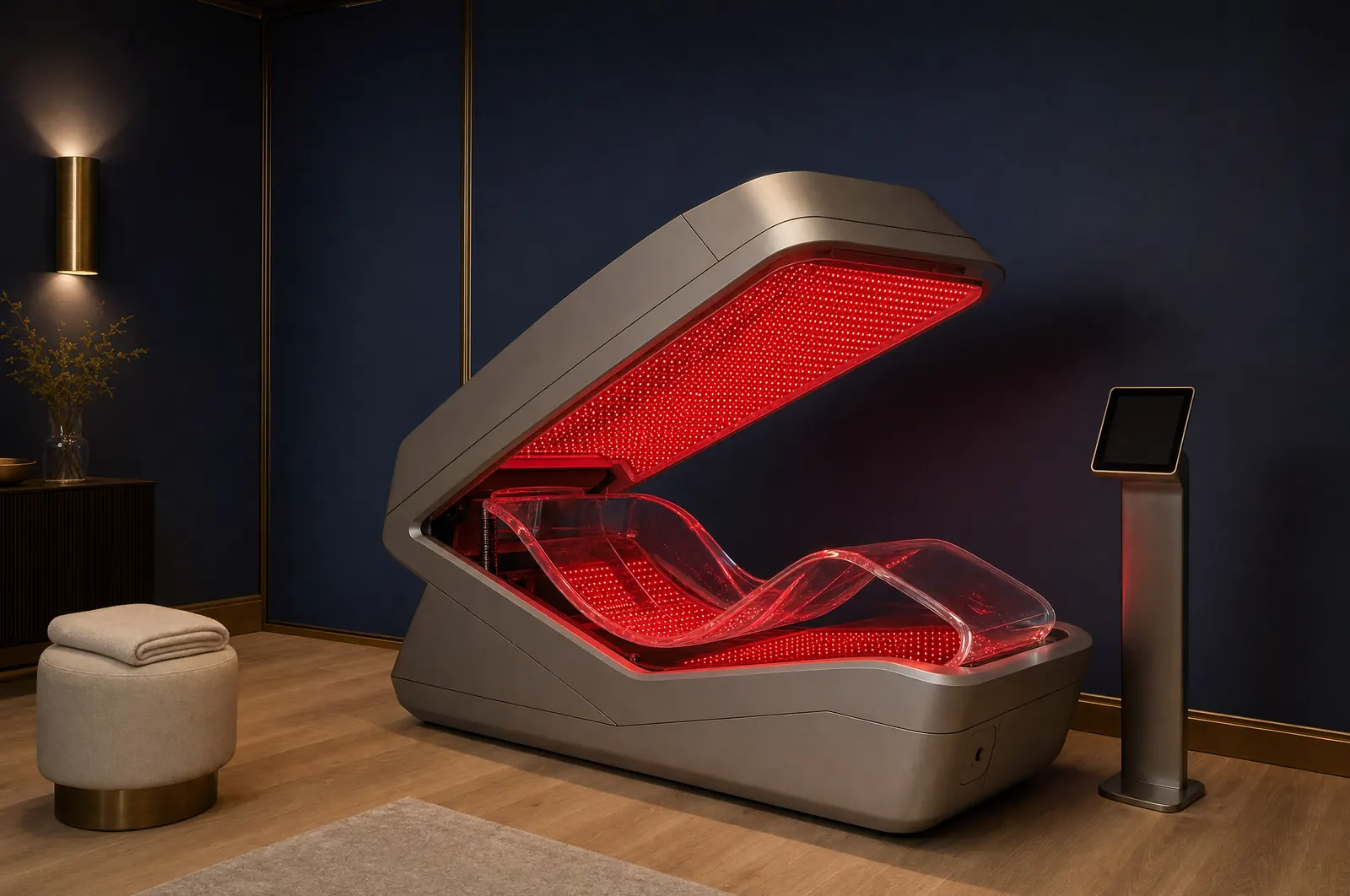
Hyperbaric oxygen sits alongside HOCATT, red light, PEMF and the Ammortal Chamber in our recovery tech room. Access 4 and Access Unlimited memberships include sessions.
Hyperbaric sessions at LYV are offered for general wellness and are not intended to diagnose, treat, cure or prevent any disease.
References
- Undersea and Hyperbaric Medical Society. Position statement: low-pressure fabric hyperbaric chambers.
- Ortega MA, et al. A general overview on the hyperbaric oxygen therapy: applications, mechanisms and translational opportunities. Medicina (Kaunas). 2021.
- Hachmo Y, et al. Hyperbaric oxygen therapy increases telomere length and decreases immunosenescence in isolated blood cells: a prospective trial. Aging (Albany NY). 2020.
- U.S. Food and Drug Administration. Follow instructions for safe use of hyperbaric oxygen therapy devices: letter to health care providers.
- MedlinePlus. Oxygen therapy and hyperbaric oxygen therapy.