Your body's own clearance system
Detoxification is something your body does every hour of the day. The liver chemically changes many substances in two broad steps so they can be excreted. The kidneys filter the blood and send water-soluble waste out in urine. The gut removes compounds through stool, and its lining acts as a barrier. The lungs and skin play smaller roles.
That system works well for most substances most of the time. Problems arise when exposure is high or ongoing, when a substance is hard to clear, or when one of those organs is under strain.
Exposures we ask about
A careful history often reveals more than any single test. Common sources we ask about include:
- Water-damaged buildings and visible mold at home or work
- Older homes with lead paint or lead pipes
- Nonstick cookware, stain-resistant fabrics and some food packaging, which can be sources of PFAS
- Hobbies such as shooting, pottery or furniture refinishing
- Large predatory fish eaten often, which can raise mercury
What the evidence says about detox products
Most detox teas, juice cleanses and kits are not supported by good evidence. A 2015 critical review found no randomized controlled trials showing that commercial detox diets remove toxins in people. The National Center for Complementary and Integrative Health notes that some detox products contain laxatives or other ingredients that can cause harm.
Chelation, which uses drugs to bind metals, is a real medical treatment for confirmed metal poisoning. It carries serious risks and belongs only under medical care, after proper testing.
Exposure is often the biggest lever
Many everyday chemicals leave the body within hours or days once exposure stops. In a 2011 study, five families switched to fresh foods with minimal packaging for three days, and urine levels of BPA and a common phthalate fell sharply, then rose again when they went back to their usual diet.
Not every substance clears that quickly. Some metals and persistent chemicals stay in the body for years, which is why knowing what you are actually exposed to matters before you try to do anything about it.
Sweating gets a lot of attention. A 2012 systematic review found arsenic, cadmium, lead and mercury in sweat, which supports exercise and heat as part of a healthy routine. It does not make sweating a substitute for testing or medical care.
A test-first approach
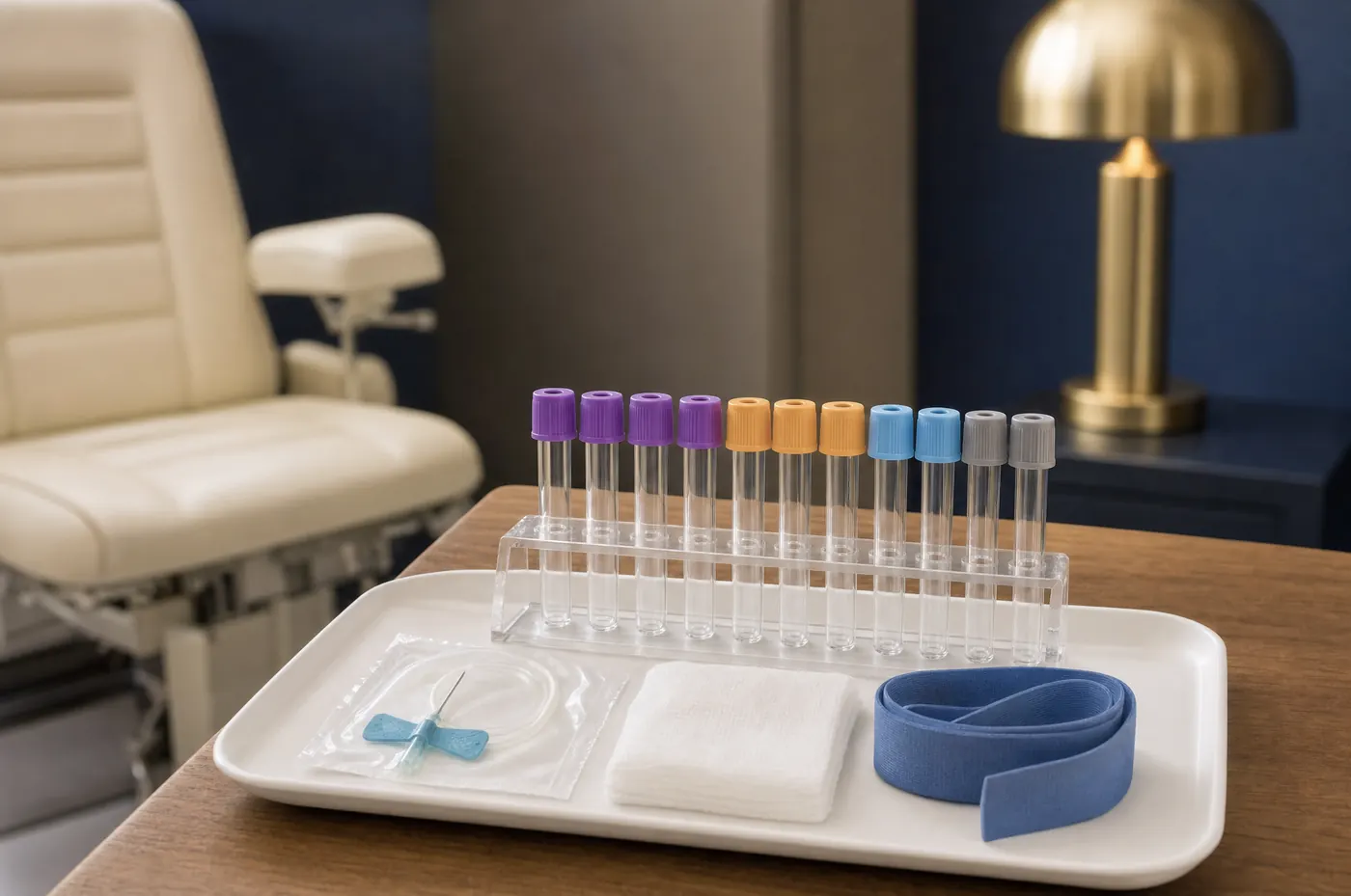
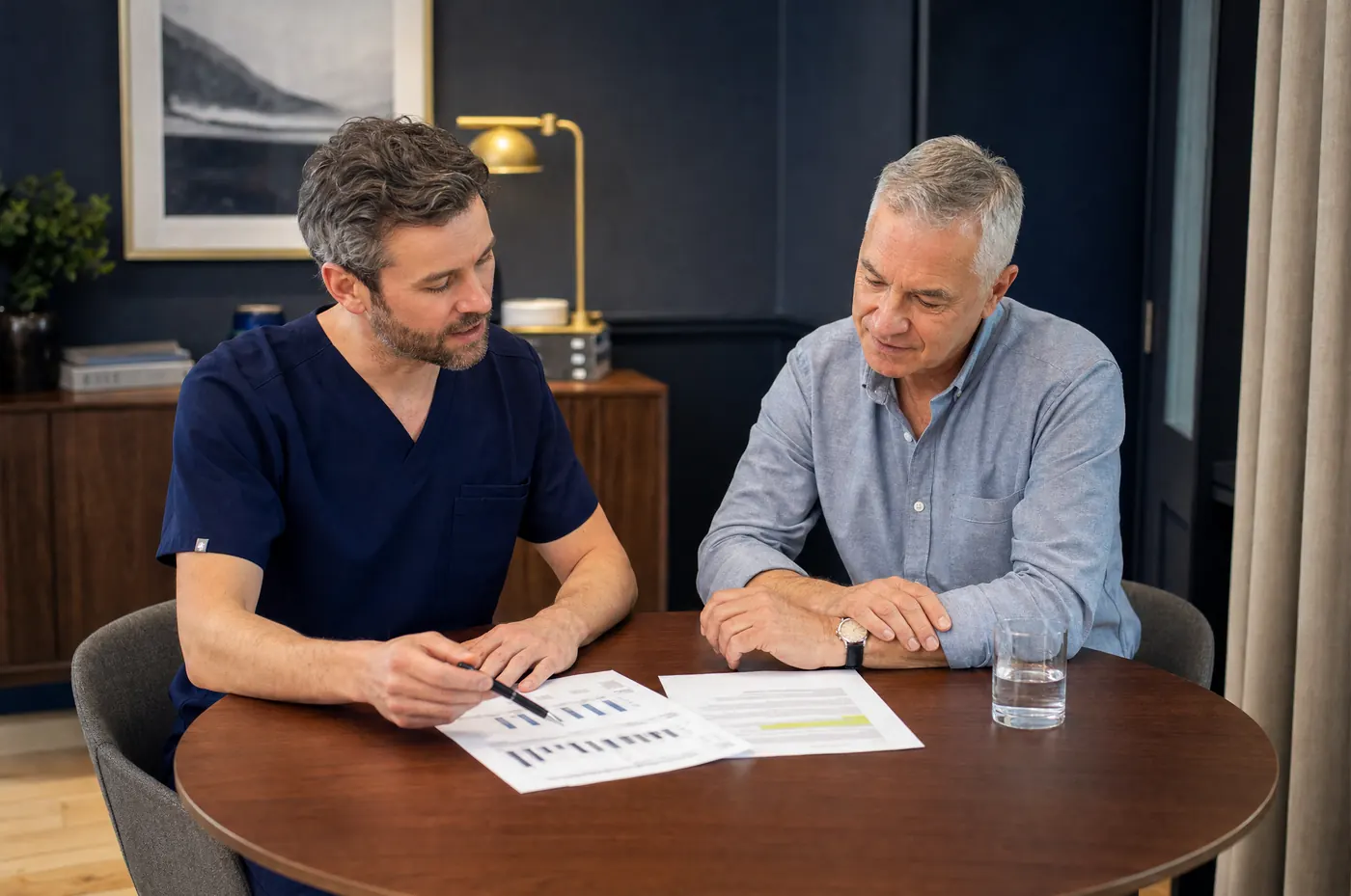
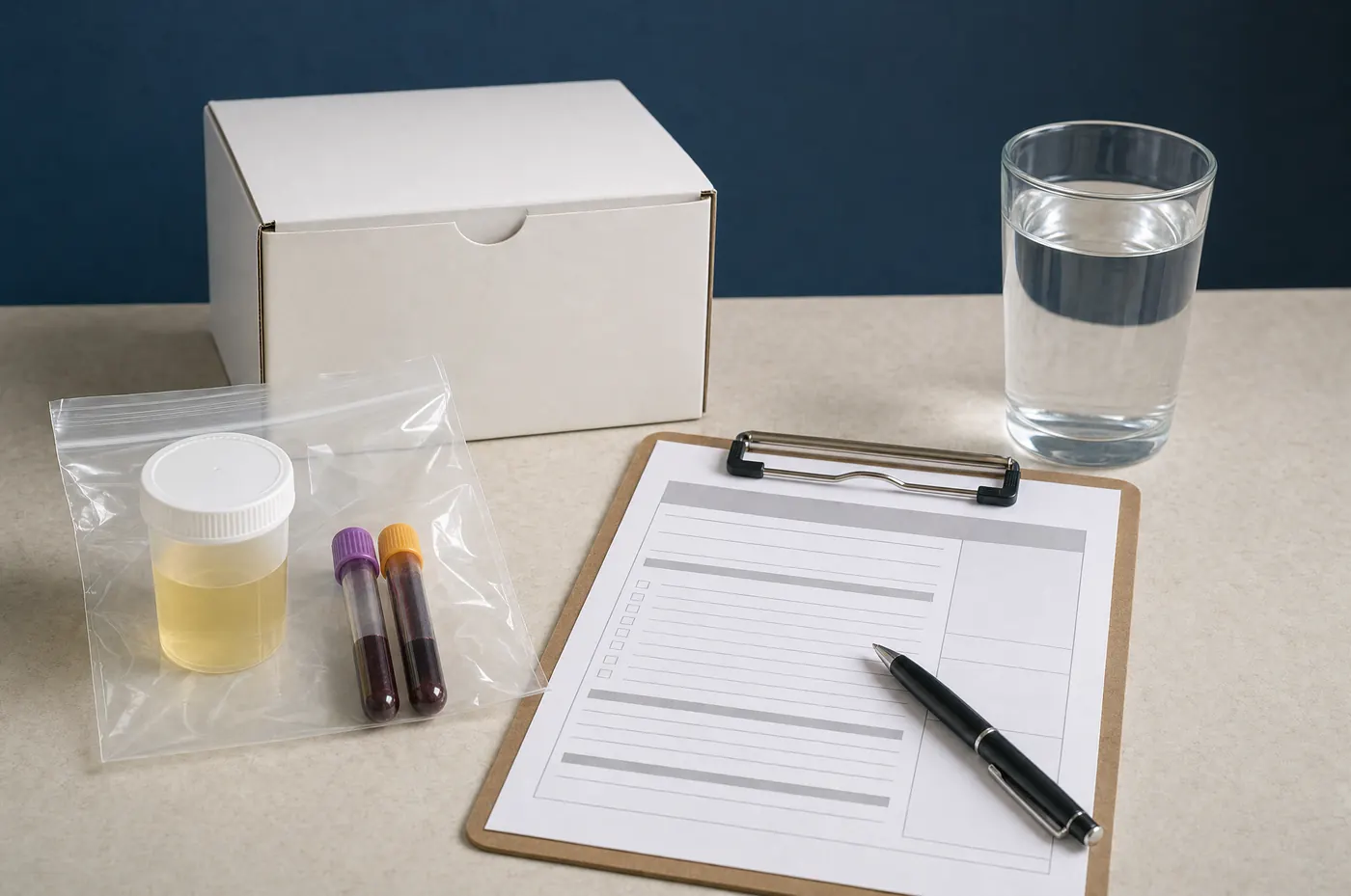
At LYV, detox starts with measurement. Your provider takes a full history, including home, work and hobby exposures, and reviews your medications and supplements. Where it makes sense, we order targeted labs from our advanced testing menu, such as an environmental toxin test, along with blood work that shows how your liver, kidneys and metabolism are coping.
From there the plan is practical:
- Cut the largest sources of exposure first
- Support the body's own pathways with nutrition, fiber, sleep and movement
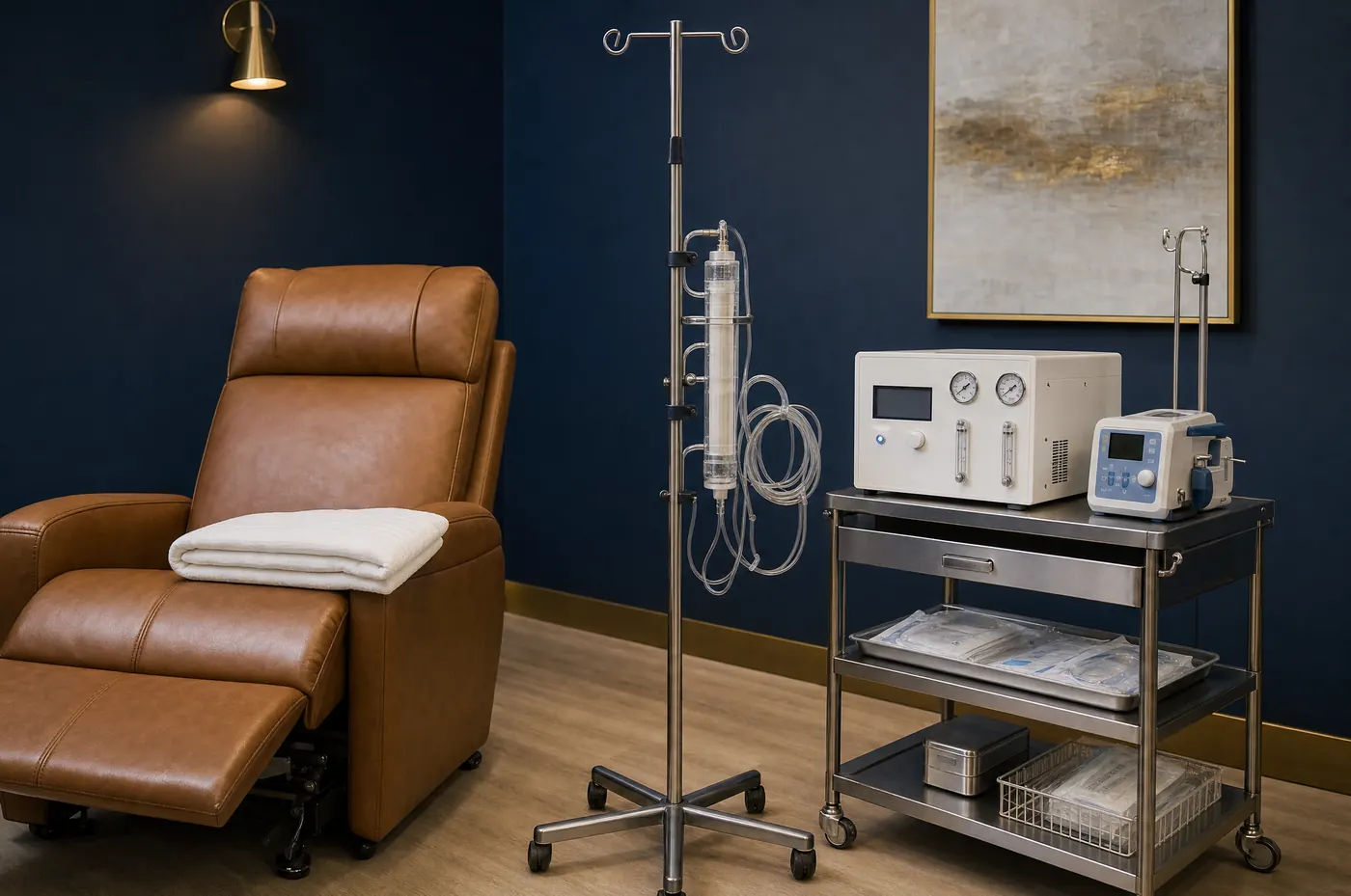
- Add clinic services, such as IV therapy, recovery tech or EBOO, only when your provider thinks they fit
- Retest so you can see what changed
Some products and herbs used in detox plans can change how medications work, so we choose and time them carefully. If you are pregnant or breastfeeding, take prescription medications or have kidney, liver or heart conditions, start with a provider visit before any detox protocol.
Signs a detox claim is not worth your money
- It promises to remove unnamed toxins without testing for anything
- It relies on color changes, such as water turning brown, as proof
- It claims to cure a disease or replace medical treatment
- It requires stopping prescribed medications
- It has no plan to measure whether anything changed
A credible approach names what it is looking for, measures it and checks again later.
What to bring to your first visit
A detox conversation goes further when you arrive with specifics. Before a consult, it helps to gather:
- Any recent lab results, including metals, kidney and liver panels
- A list of current supplements and medications, with doses
- Notes on your home, such as the age of the building, water source and any past water damage or mold
- Work and hobby exposures, such as solvents, metalwork, pesticides or older paint
- How long you have had your symptoms and anything that seems to make them better or worse
This history often points to the right test faster than a broad panel would. It also helps your provider rule out common, treatable causes of symptoms like fatigue or brain fog, such as thyroid problems, low iron or poor sleep, before looking further.
Where to start
If you suspect an exposure, or you simply want to know where you stand, a free 15-minute advisor call is the quickest first step. Programs such as the 17-Week Restoration build advanced labs, a toxin screen and a written plan in from the start.
Detox services at LYV are not intended to diagnose, treat, cure or prevent any disease. Individual experiences vary.
References
- Klein AV, Kiat H. Detox diets for toxin elimination and weight management: a critical review of the evidence. J Hum Nutr Diet. 2015.
- National Center for Complementary and Integrative Health. "Detoxes" and "cleanses": what you need to know.
- Rudel RA, et al. Food packaging and bisphenol A and bis(2-ethylhexyl) phthalate exposure: findings from a dietary intervention. Environ Health Perspect. 2011.
- Sears ME, et al. Arsenic, cadmium, lead, and mercury in sweat: a systematic review. J Environ Public Health. 2012.